By EyeYPAG,
Our first meeting of the year was on 17th January 2026, it was a huge success!
We started our session by reminding ourselves of our co-production ethos. We always want to make sure everyone feels listened to and understood and this is stated in said ethos. This was created by current and past eyeYPAG members a few years ago and the message still stays strong!
We then were presented with activity cards, sent to us to try out from King’s College London University. The purpose of these cards were to help co-production products work together. The feedback on the actual cards we gave, was to strengthen the accessibility of the cards for all who may be reading them; whether down to font size or language and vocabulary used, everything we said using the cards was recorded!
To start with, we used the card ‘Awesome Other Business‘. This gave everyone the chance to share what they felt they had contributed to the group. Members shared amazing experiences they had had, going to international conferences to learn and present, and working with researchers to feedback on their many different projects, to have positive impact.
Next, using the ‘It will last longer card‘ the group took time to reflect on what being part of eyeYPAG means to each individual. Beforehand, we were asked to draw an image or find a photo that shows such reflection. Here are some of the images the members created and brought with them:
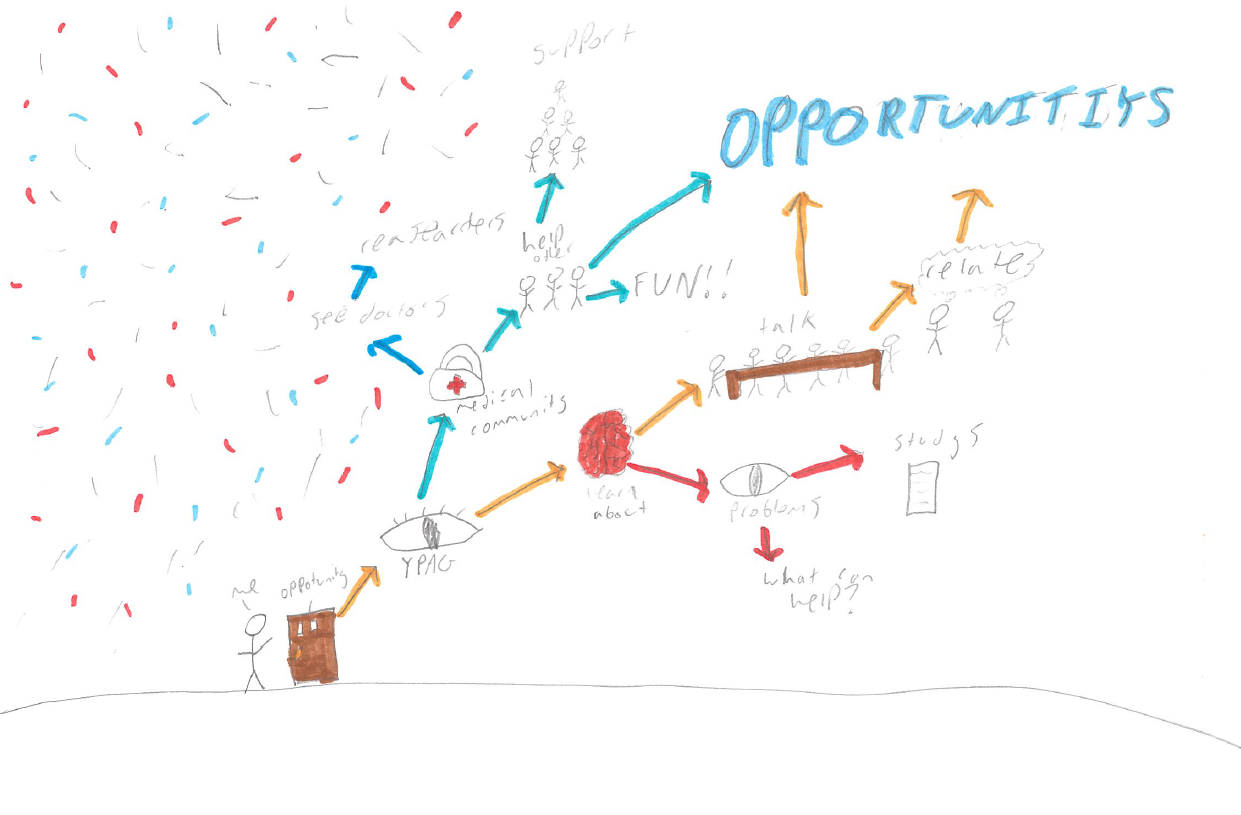
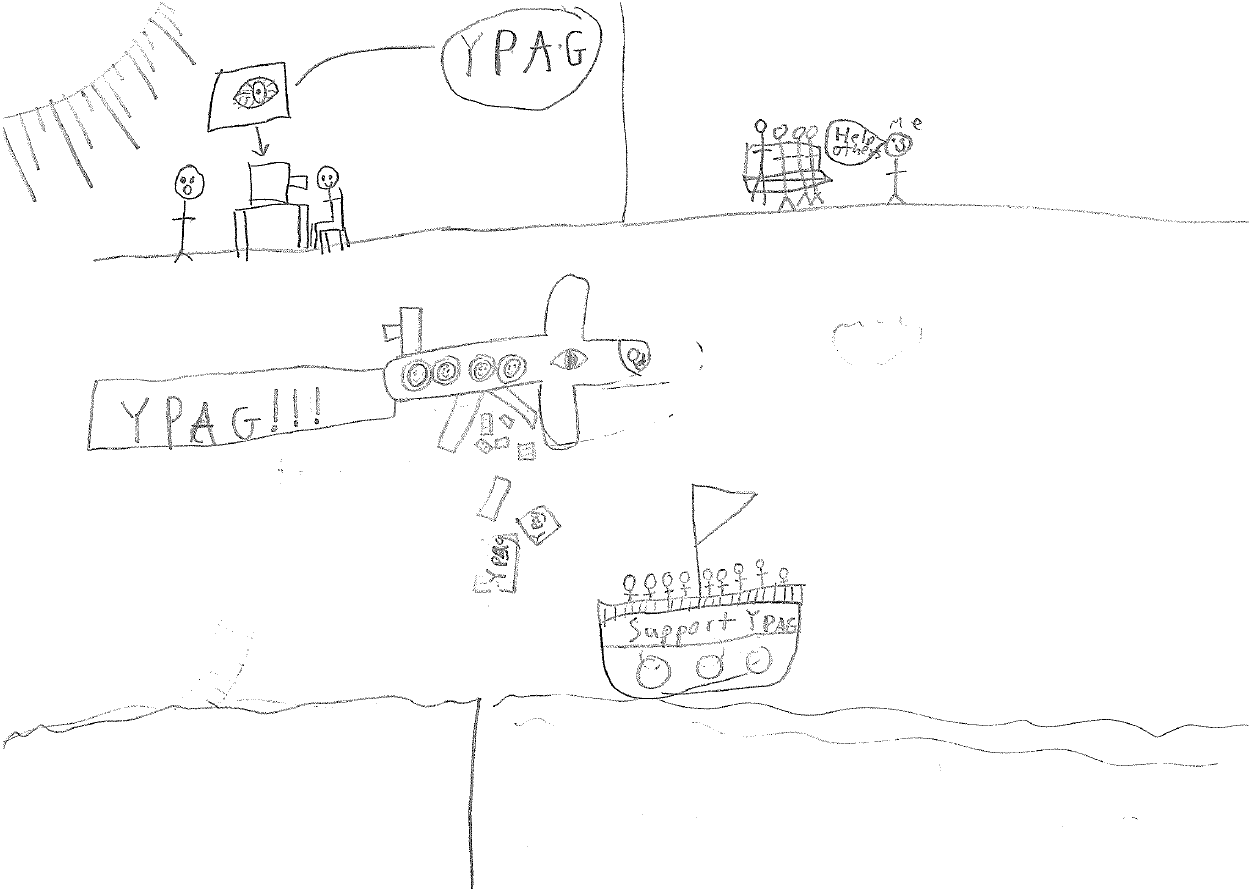
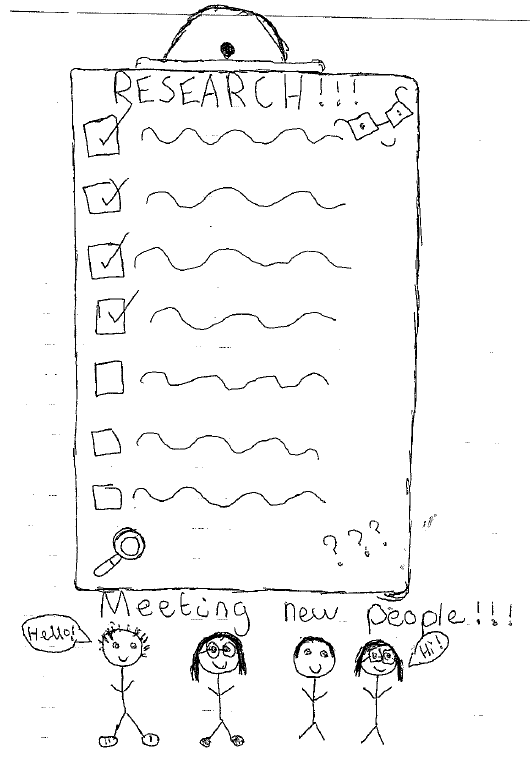
We talked through the pictures and each other’s reflections and we all agreed on the following themes for why we all want to be part of eyeYPAG:
Community – whether you’ve been a part of the group since its conception in 2019 or have joined in any of the years since, the community built has been strong. We all love seeing each other during our meetings our strong bonds are reflected in the work we produce.
Feel like you’re making a difference (impact) – We all agreed that we feel our work is meaningful and has purpose. Feeling like we make a difference within paediatric ophthalmology care and research spurs us on to do more!
Safe space – Our meetings are a safe space! The majority of the people in our group have an eye condition and have therefore felt isolated in other areas of their life. Places like school can be challenging because your peers won’t always be able to empathise with your situation. At eyeYPAG, we all feel safe to talk about these challenges that can come with having an eye condition.
Learning new things – Learning is always a positive and even more so when the knowledge you learn impacts yourself and those around you. We all agreed that knowledge is power and whether we are learning about clinical trials or medical equipment, we love it all!
Opportunity – Being part of this YPAG creates amazing opportunities! We’ve been so lucky to, in the past, go through interview training, do public speaking workshops and take part in the annual iCAN (international Children’s Advisory Network) conference (generously funded by Moorfields Eye Charity)! We are so excited for what’s to come!
Dissemination – Everything we learn, we want to share! An amazing example of this would be the position paper we helped create at the most recent iCAN conference in Montréal, CANADA. This is a document written by young people, for young people, that states why young voices are so important in paediatric healthcare and how to take the necessary steps to make sure we are heard! Within our eyeYPAG, we share this document with anyone that comes to our sessions (researchers, doctors and all!).
We then used the activity card ‘Say Less‘ to try and communicate our shared purpose in just a few words. . . . we decided on:
After this refresh, we got to speak to Miriam, a researcher from City, St. George’s Hospital who wants to collect data from children about the differing experiences between eye patching and eye drops when trying to improve the health of a lazy eye. We watched a video from Eye Hero and, after talking through it we were asked on our opinions on both methods and about our personal experiences.
Many of us agreed that our experience of patching had been uncomfortable, describing the patch as itchy, annoying, uncomfortable and isolating. Many kids who have to patch usually must do it through school hours – we talked about how patching can create difficulties at school. Looking different from you peers doesn’t always feel positive (especially for children) and these feelings could even lead to children taking off the patch before they’ve reached the preferred treatment hours for the day.
When we reviewed the idea of eyedrops, we realised the drop that would be used in Miriam’s research would result in continuous eyesight loss in the strongest eyes for the entire duration of the study. The consensus we came to was that this could be extremely distressing for a child and could lead to a lot of upset and a heavy disruption to their daily routine.
To conclude, we said that even if both options are unavoidable, it’s still best that the children involved should be asked about their feelings and apprehensions. It’s most important that children feel they are truly being listened to and this would then lead to more understanding on their part and a therefore a more successful study.
In addition to these two options, Miriam then introduced to us the possibility of Eye Hero. This treatment is seemingly much less invasive, using glasses one would wear for a short period of time a day and an online app to improve visual perception and cognitive processing! As we had all disliked the idea of a disruptive and invasive treatment, Eye Hero seemed like a perfect middle ground!
Miriam shared some excellent feedback on her session with eyeYPAG:
“The group’s advice was extremely useful. They offered thoughtful, well-considered perspectives that highlighted aspects of the study I had not fully appreciated. Their suggestions helped strengthen the clarity of the research materials, refine the study design, and ensure that the proposed approach would be engaging and appropriate for children and young people. Their input has genuinely enhanced the overall quality and relevance of the project. I would be very happy to work with them again. I plan to cost their time into future grant applications, including for reviewing participant information materials and supporting data collection”
Thanks Miriam – we look forward to working with you again in the future!
After our well-deserved lunch break, we then went through the Ci2i project!
This project is all about improving eye and vision research design and its delivery with children and young people. We were shown the research poster about the study and then a few members took on the role of actors as they read through a draft script for an animation meant for young children.
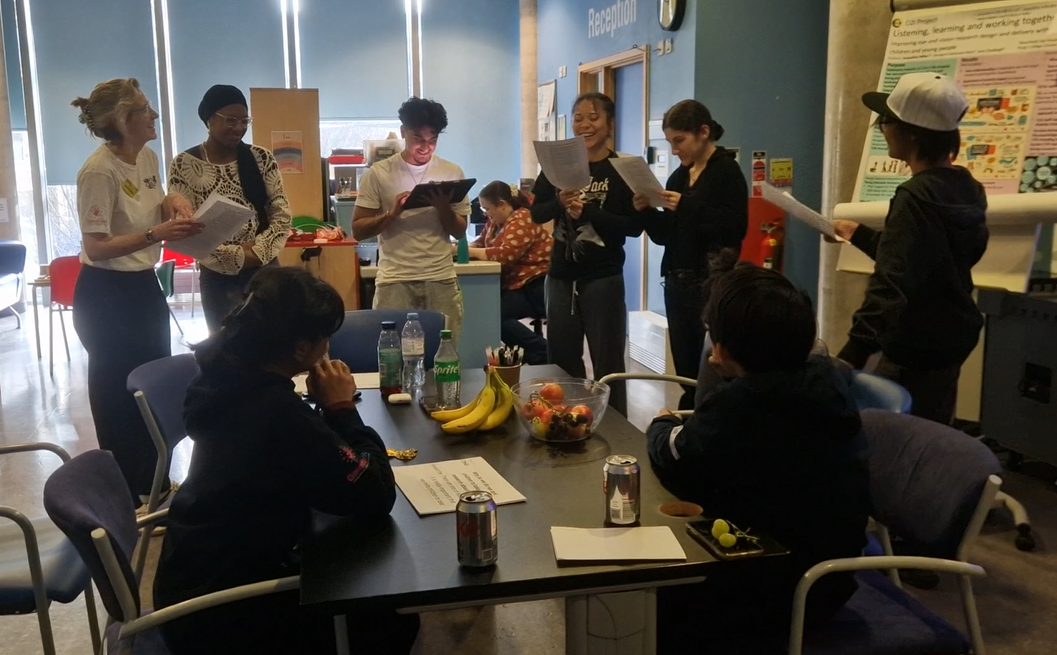
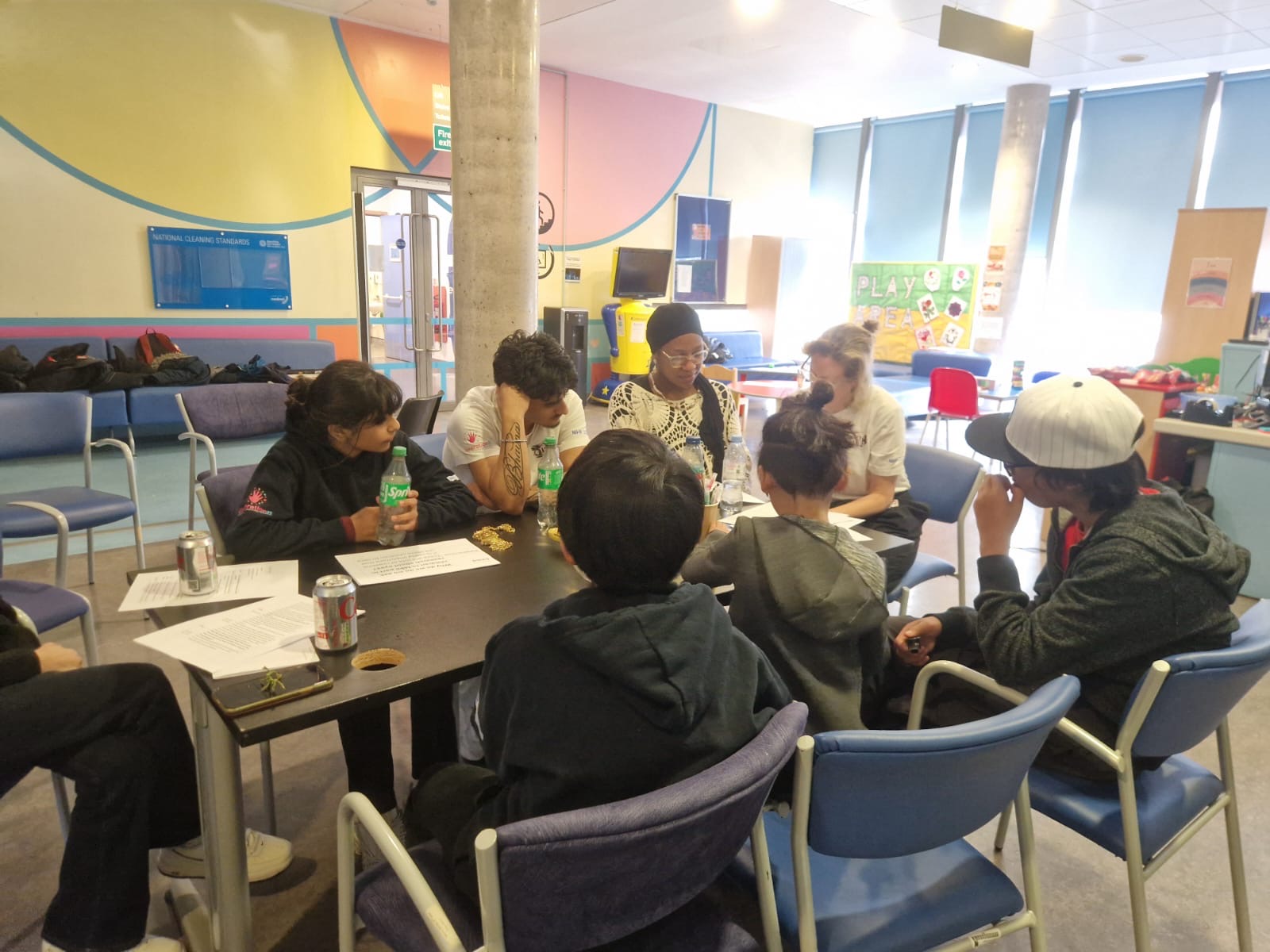
Once we all had a strong understanding about the study, we split off into two groups. The younger kids of our cohort worked with Charlotte to improve the language and vocabulary of the script. They were shown an example of what the animation could look like! Separately, the older kids planned and acted out a version of the video that could be used for social media.
After, we came together to discuss the logistics of the video; things like how long it should be and what it should include. We all agreed that it was of the most importance that the results were shown at the beginning of the video, to emphasise their significance. Additionally, it was thought unanimously that the methods of the study should have a separate video as to not overload the watcher all at once!
And that concluded our first meeting of 2026!
We are all so excited to have an amazing year, full of success – and of course will keep you all updated along the way!

Our latest meeting was a huge success, many of our members first time seeing each other since the incredible iCAN conference in Montréal, Canada this last July. We stared off the meeting but introducing any new faces and retelling the favourite parts of our summer. This then lead on to a 2 hours workshop from […]
Esme, Nicke and Freya explore research at Great Ormond Street Hospital for Children (GOSH).
This PDF contains a dot-to-dot exercise for younger students.