By EyeYPAG,
Our second eyeYPAG meeting of 2026, in March, was a busy one!
We started by meeting our visitors for the ‘Shaping research for children with Stargardt’s Disease’ session. We then discussed our future eyeYPAG plans such as:
 After a short break we jumped into our first session with Prof Annegret Dahlmann-Noor, who explained her current research, on how light can affect the progression and severity of Myopia in children and young people, which she would like to ask the NIHR for funding for. She explained the effects of many different factors such as access to green spaces, exercise and diet. She went on to ask for feedback on many different monitoring devices, such as a smartwatch (which was screenless inspired by previous advice given by the YPAG), a sticky embedded monitor peak flow machine, as well as blood sugar monitoring. We were also enthusiastic to share our experience and advice on exercise diaries and mental health questionnaires, which Prof Dahlmann-Noor was thinking of including in her study. She then finished her session by updating us on her COSMYC study and the Red Light study which she had discussed with us in previous sessions.
After a delicious lunch we had a lively session with a representative from the NIHR RDNCC Public Partnerships team, where we discussed giving feedback on experiences of taking part in research. We discussed at what point during a study would be the best time to give feedback, such as during the first session, halfway through, at the end or after the end and why.


We also discussed how this feedback should be collected, we voted on the length of the survey, the format (whether they should use emojis or voice -notes etc). We also discussed what questions are important to ask, as well as discussing how to make the survey accessible to everyone. The final discussion point was discussing which personal demographics children and young people would be willing to share, and the different age groups of children and young people who would want parental involvement or not.
The focus group will help towards the development of the children and young person version of the ‘My Research Experience’ Survey (previously known as PRES – Participant Research Experience Survey).

Our final session of the day was with Belite Bio, where we discussed information leaflets and assent forms for children and young people. We gave lots of feedback on the way the leaflets and assent forms were formatted, as well as the overall language and content to ensure they are appropriate and engaging for different the age groups. There were lots of questions and debates over the research design, such as ‘what we would have to do, why we had to do it, and how we would feel if we were involved in the study’. We then discussed medication diaries and if we thought they were effective, and if not how they could be improved. We were shown different options for the actual physical medication and how it would best be administered, with many of us taking into consideration who would be involved and responsible in taking, preparing and administering the medication.
Overall, it was a very lively meeting with many interesting sessions and discussions on research, and it was lovely to see new faces and hear new perspectives!!
Katie wrties about getting actively involved in developing an MRC study of adolescent health
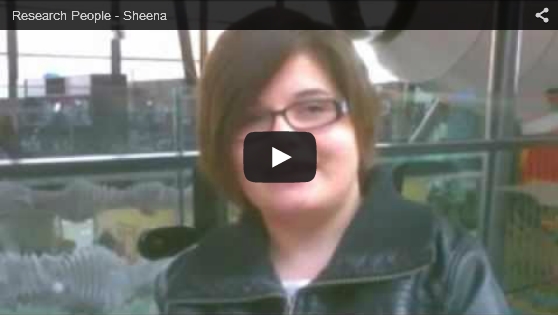
In this short video, Nottingham YPAG member Sheena talks about why she wants to get involved in research.
This PDF contains a dot-to-dot exercise for younger students.