 Who are we?
Watch the film we made to learn more about the group 📽
⭐Interested in joining Herts YPAG? We’re currently looking for new members: https://generationr.org.uk/joinhertsypag/
You can contact us at: ypag@herts.ac.uk. We’re also on Twitter/X and Instagram @HertsYPAG
The Herts YPAG team
Group Facilitators
 Sonya Prime (Group Administrator)
In our meetings, researchers from the university and other organizations come to work with the group, where we do things like:
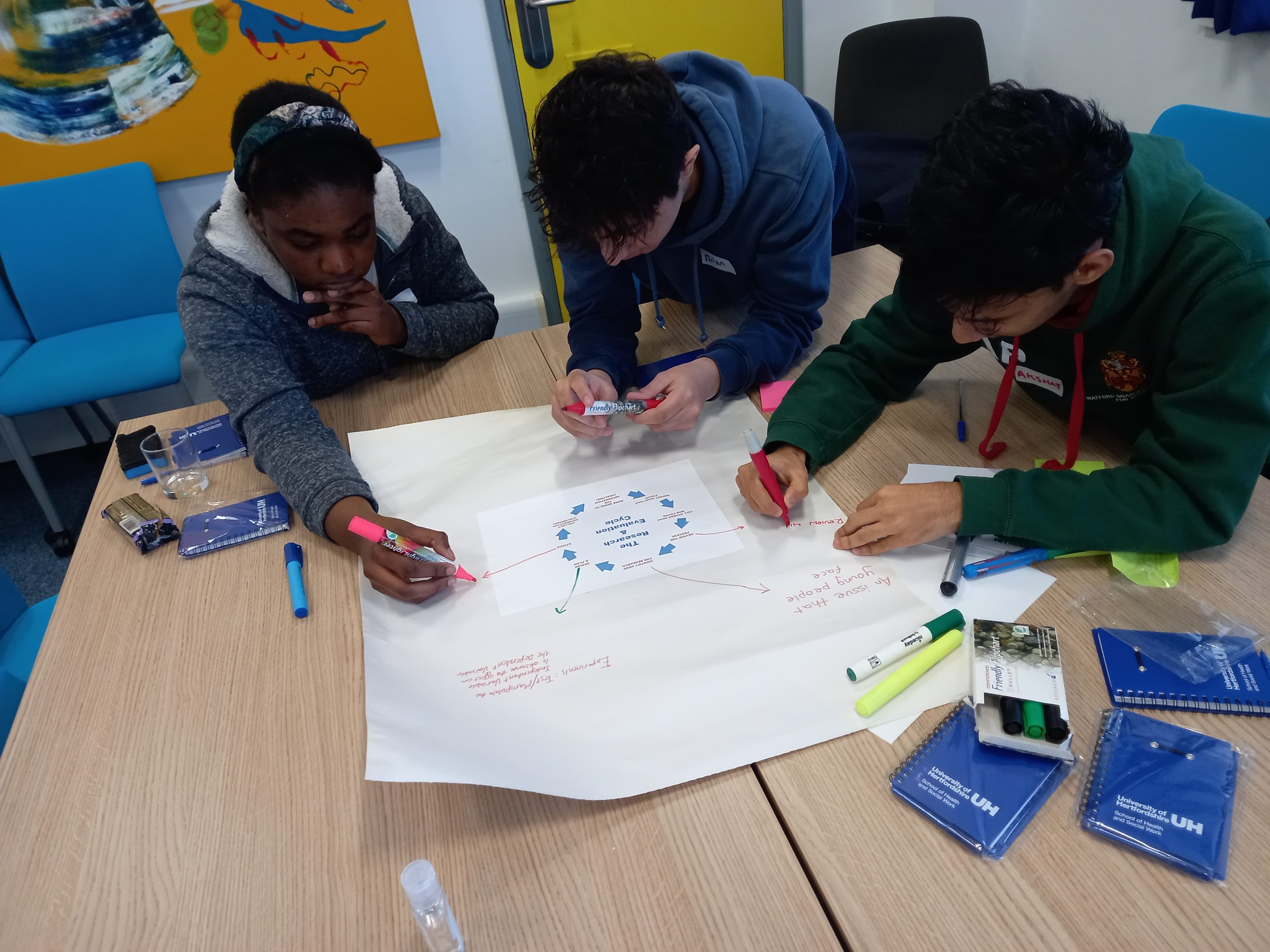
We have worked with lots of different researchers including projects on mental health, food and drink, the ways your environment and where you live can shape who you are, dealing with loss and bereavement, and work with the NIHR Bioresource and Genomics England.
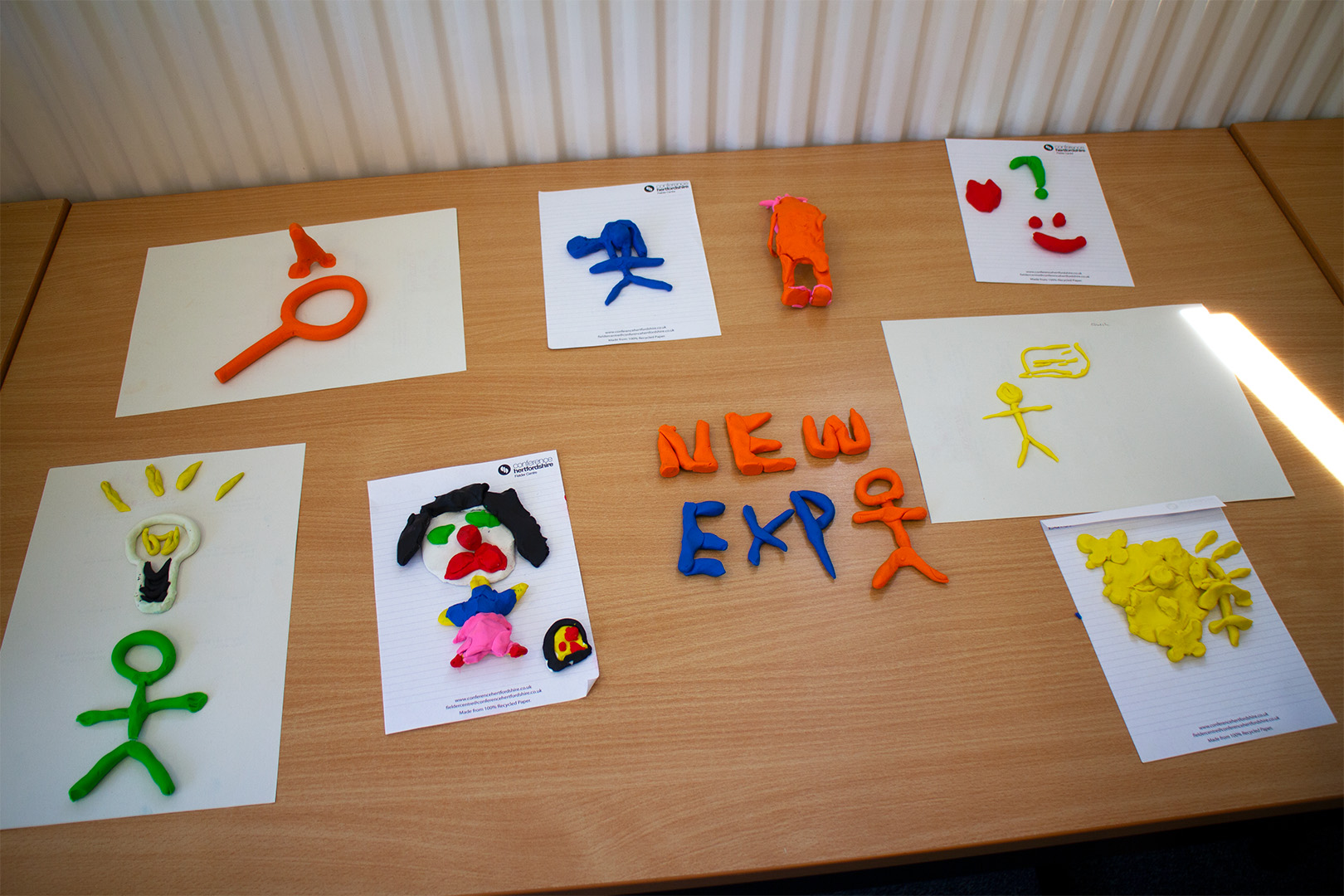
As well as giving researchers advice on how to make their research children and young people-friendly, in our meetings we also:
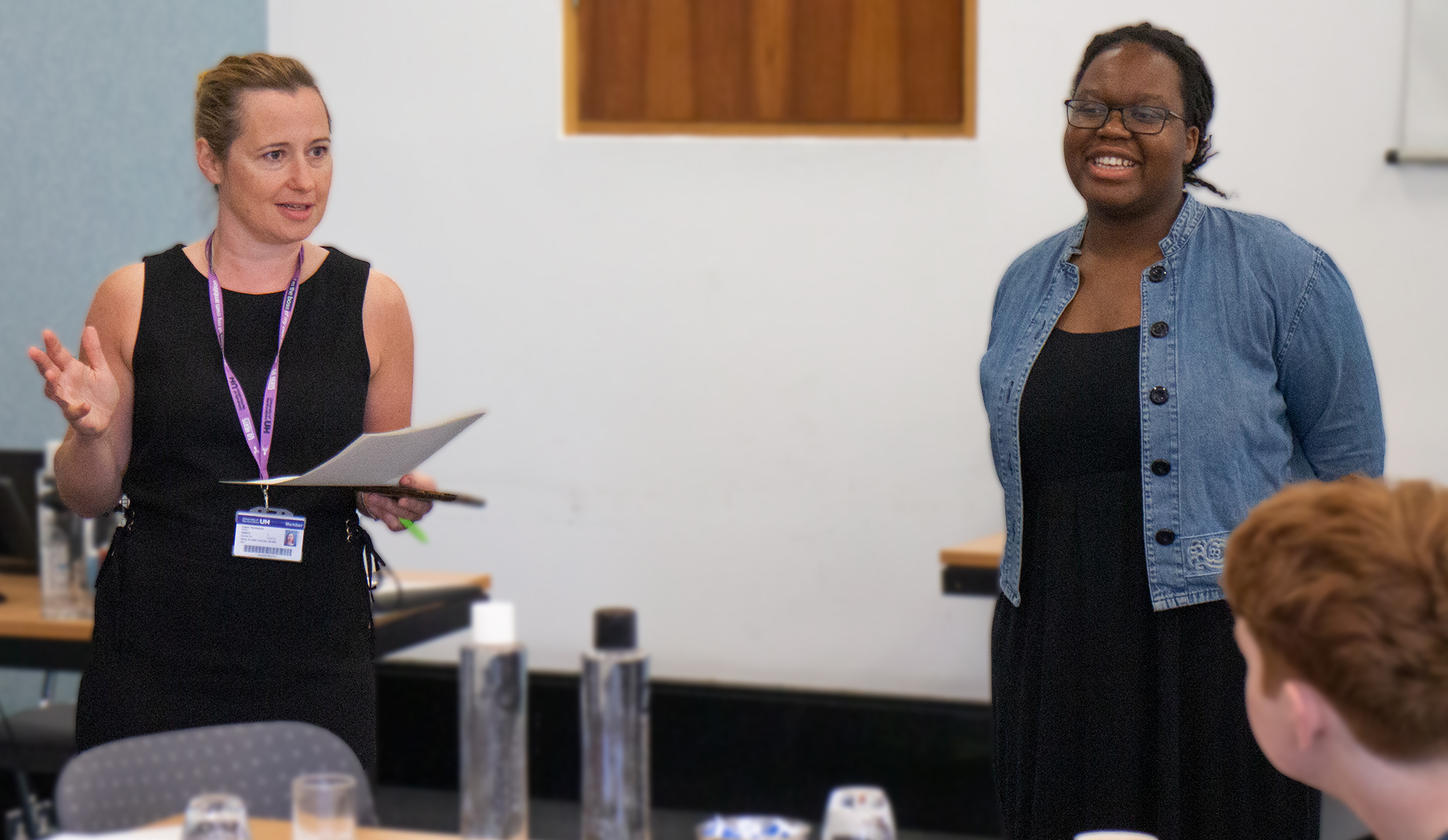
‘I found it really helpful to speak with the YPAG right at the start of developing a research proposal. They handled a sensitive subject very well, and provided some useful insights into how young people seek support, which I will build into my work.’
If you’re a researcher interested in working with the group:
 s it demonstrates the impact of young people’s role in the design and delivery of research.
Written by: Benita, Jacob, Zuyi, Lauren and Helen Background to the YPAG Evaluation The Herts YPAG started in March 2022 and is made up of a group of young people living in Hertfordshire who are aged 10-18 years old. Since April 2025, the YPAG Excellent Evaluators team have been conducting an evaluation of the Herts […]
As usual, we started off our in-person meeting with some ice-breakers and introductions, including writing our name tags and drawing a little picture of something we enjoyed. One of the funny ones in my opinion was cheese! Sheila’s hypermobile Ehlers Danlos Syndrome (hEDS) Research First, Sheila talked to us about hEDS and how it affects people […]
We started our online meeting with introductions. We had two visitors to this meeting from the Adolescent Health Study, Kat and Laura, as well as familiar faces Claire and Jess from the SALIENT team. This was the first YPAG meeting of the new year, so it was great to catch up and discuss what we were […]